

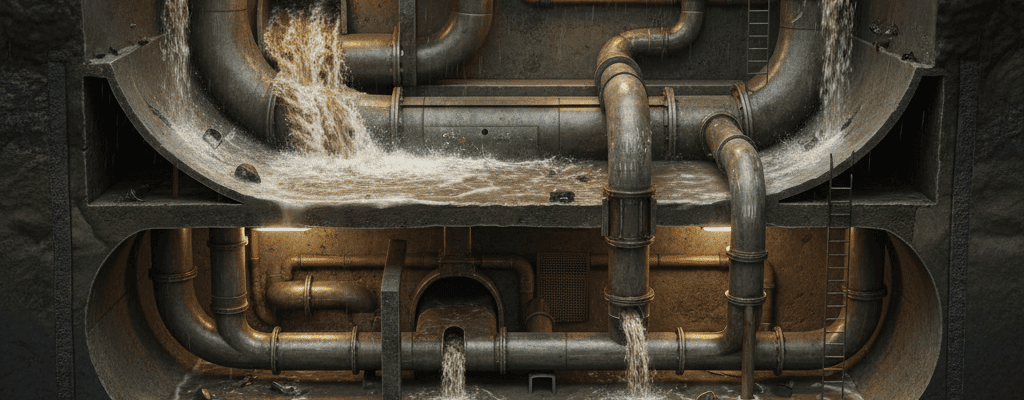
How Drain Sewer Systems Work
Every homeowner encounters drains and sewers at some point though most people do not think about how they function until a problem appears. Understanding how drain sewer systems work can turn unexpected backups into manageable repairs and help you spot small problems before they become costly. This article explains the key parts and processes that keep wastewater moving away from a house or business and into a treatment system.
The goal here is practical clarity. You will get a clear view of pipes and flow patterns along with common failure points, inspection techniques, and easy maintenance steps to reduce the chance of a messy emergency. Examples and simple tips show what to watch for and how professionals approach repairs and service.
How Drain Sewer Systems Work an overview of flow and purpose
A drain sewer system moves used water and waste from fixtures to a treatment location or septic tank. Inside a building drains gather water from sinks, tubs, washers, and floor drains. Those interior pipes connect to larger lines that run underground toward a municipal sewer main or an on site collection system. Gravity is the primary mover of wastewater in most systems. Proper slope in pipes lets water carry solids along with the flow toward the outlet.
Vent pipes are a crucial but often overlooked component. Vents extend through the roof and let air enter the system so traps maintain a water seal. Those seals block sewer gas from returning to living spaces. If vents are blocked or missing the system can gurgle, smell, or drain slowly even when pipes are clear.
Main components of a drain and sewer system
- Traps These curved sections of pipe under sinks and other fixtures hold water to block sewer gas.
- Branch drains Smaller pipes that collect waste from individual fixtures and feed into stack lines.
- Stack pipes Vertical lines that carry waste downward and provide venting for the branch drains.
- Sewer lateral The line that connects a building to the public sewer main or to a septic system.
- Sewer main The large public line in the street that moves flow toward treatment facilities.
Household drain network
Inside a typical home the network is compact but has many potential failure locations. Hair, grease, soap residue, and foreign objects can clog branch lines. Slow drains often start at a single fixture before spreading. Regular small fixes at the fixture level keep the whole network healthier.
Municipal sewer main
Beyond the property line a sewer lateral meets the municipal main. Problems here may be caused by root intrusion, collapsed pipe segments, or offsets in older clay systems. Repairs in this area may involve digging or trenchless repairs depending on depth and access.
Flow dynamics common causes of backups and slow drainage
Flow behavior depends on slope, pipe size, and the nature of materials carried in the water. Solids settle if the slope is too shallow. Grease can cling to walls and narrow passages over time. Sudden drops or vertical offsets form places where solids accumulate. During heavy rainfall combined sewer systems may see higher flow which can overload lines and cause backups in low areas.
Temperature matters in colder climates. Fatty substances that remain liquid at warm room temperatures can harden in cold ground and create partial blockages. Knowing how waste behaves in your climate helps predict seasonal issues and target maintenance more effectively.
Materials and pipe types commonly used in sewer systems
Pipes have evolved over time and each material has strengths and limitations. Modern installations often use PVC for its smooth interior and resistance to corrosion. Older systems may have cast iron or clay. Cast iron is durable but can rust and develop leaks at joints. Clay resists chemical attack but is brittle and prone to joint offset over decades.
High density polyethylene is used in trenchless repairs and slip lining projects because it is flexible and resists root penetration. When inspecting a property it helps to know pipe materials because repair options and typical failure modes vary by material.
Inspection and maintenance practices that reveal hidden problems
Professionals use camera inspections to see inside pipes without digging. A CCTV inspection can reveal root intrusion, bellied pipes that trap solids, grease build up, and cracks. Combining visual inspection with a water test helps determine whether a problem is structural or caused by debris. For example a camera run that shows roots penetrating joints points to a repair or lining solution while long stretches of grease call for cleaning and a change in habits.
Hydro jetting and mechanical snaking are common cleaning methods. Jetting uses high pressure water to scour walls and remove grease and roots in some cases. Snakes cut through blockages but do not always remove wall build up. When a lateral has repeated root issues trenchless renewal with a plastic liner can restore flow with less surface disruption. For local intervention and emergency service consider contacting a company experienced in both diagnostics and repairs like Abacus drain and sewer specialists because they will bring the right tools and options to the job.
When to choose trenchless repair
Trenchless techniques are a good fit when the pipe is continuous and access for a liner is available at both ends. They are less disruptive to landscaping and driveways. If camera footage shows multiple breaks and offsets a full replacement might be safer. Cost, access, and the length of damaged pipe drive the decision.
Routine checks homeowners can do
Check visible cleanouts on a property line periodically to make sure caps are tight and the area is clear. Take note of slow drains that start in one fixture and spread. Smells near floor drains and toilets suggest a vent or trap problem. Making a habit of these simple checks helps catch problems early.
Signs of sewer problems and when to call a professional
Certain warning signs require prompt attention. Recurring backups in the lowest drain may indicate a sewer lateral problem. Multiple slow drains at once signal a main stoppage downstream. Gurgling sounds in fixtures often mean air is trapped somewhere and venting may be compromised. Wet spots or sinkholes in a yard over the lateral suggest a leak or collapse.
Minor slow drains often respond to an auger at home. Persistent issues or smells should be evaluated with a camera inspection. If the problem is outside the property line or involves structural collapse calling a licensed service will avoid liability and follow local codes. A timely inspection often reduces repair costs and prevents damage to finishes and landscaping.
Preventive tips for homeowners to reduce risk of blockages
- Dispose of grease properly by collecting it in a container and throwing it away once solid.
- Use hair catchers in tubs and showers to limit the buildup in branch drains.
- Avoid flushing non degradable items such as wipes or sanitary products even if labeled flushable.
- Plant trees away from sewer laterals to reduce root intrusion risks.
- Schedule a camera inspection if you buy an older property or if the system has a history of problems.
Seasonal awareness helps too. In colder weather be mindful of pouring greasy liquids down the drain. During heavy storm periods consider the risk of combined systems and watch for backups after intense rain. Simple habits cut the frequency of service calls and help maintain smooth flow.
Knowing how drain sewer systems work makes it easier to spot issues, decide on maintenance, and choose the right repair path. The system depends on proper slope, intact pipes, clear vents, and responsible use. When problems develop camera inspection will tell you if cleaning will fix the issue or if a repair is required. Regular small actions by homeowners reduce the likelihood of major failures and protect property value.
When you see signs of a sewer problem do not delay. A prompt inspection gives options and helps avoid water damage and costly restoration later. If you need professional inspection or repair, reach out to a qualified local service that offers diagnostic camera work and proven repair methods. Quick action keeps the system functioning and reduces disruption to daily life.
